
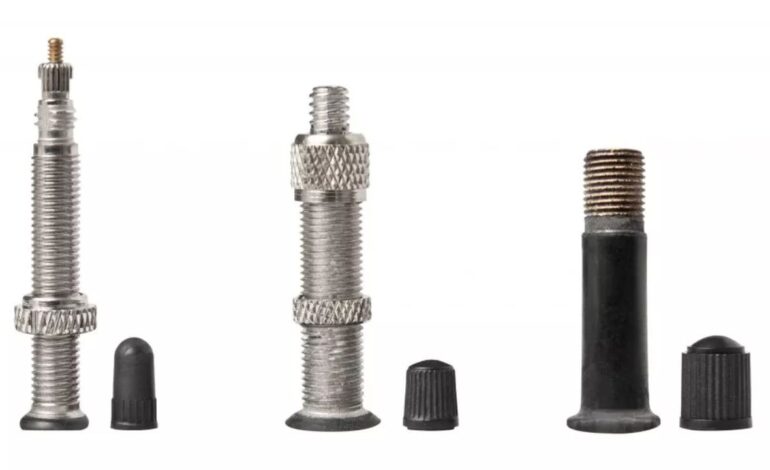
Presta Valve Guide for Easy Inflation and Maintenance

Just because a bicycle tire looks plain, it does not mean that the pump head won’t fit. That little moment leaves many new road, gravel, and mountain bikers more perplexed than they envisioned. This valve looks fragile, the nut on top doesn’t seem to budge, and pushing harder seems like the only way to go.
Bicycle valves don’t just let air get into the tire. These can be as wide or narrow as they are required to be, as long or short as required to fit into the pump, and with a design suited for inflating and servicing. Using the wrong size tube or pump setting can make quick maintenance a miserable job.
This guide covers the operation of a Presta valve, how to inflate without bending the stem, considerations for compatible equipment, and answers to some of the most common rider questions. It also compares the two popular valve types, allowing riders to make informed choices on or off the bike.
So what is a Presta Valve and why is it used on bikes?
This small bicycle valve is generally used on road bikes, gravel bikes, high-performance mountain bikes, and tubeless wheels. It is thin and is made of metal, with a screw at the end. In order to allow air to get in or out of the balloon, that nut has to be unfastened. Once it is inflated, it’s wound tightly to minimise the risk of accidental deflation.
It is different from the Schrader valve found on vehicle tires, which is wider. Its thin stem will fit a narrow rim hole (good for narrow wheels).
Different lengths of Presta stems are available. A standard tube is probably fine on shallow aluminum rims, or a longer stem will be needed for deep aerodynamic rims. There should be enough valve exposed on the pump head to allow for a good connection.
The air pressure in the tyre helps to maintain the mechanism closed. The highest nut provides access to the valve; not loosening the highest nut will NOT instantly deflate the tire.
A few models feature replaceable valve cores. One damaged core can then be replaced, and the hole can be used to inject sealant into a tubeless tire. This isn’t an option on all tubes, so they should consult first before attempting to detach it.
The biggest problem is that the weave is thin at the tip. When a pump is installed at an angle, or side-pulled, it can bend. Most damage can be avoided with the pump head in a straight line and by not overtightening the pump head.
Correctly inflating a Presta Valve.
First, look at the pressure range indicated on the tire. It isn’t always best to set up for the max; rider weight, tire width, road surface, and wheel set-up are important too.
Turn the small top nut counterclockwise until it stops (plastic cap should be removed). It will not pull free from the stem. Do not try to force it off. Gently squeeze the free end for a few seconds. When the valve is open, a small puff of air helps to ensure that it is open, allowing a stuck mechanism to be released.
An appropriate pump head is mounted directly onto the stem. There are some pumps that offer two openings – one for Presta and one for Schrader fittings. There are those who may use a reversible insert or an automatically adjusting head. Assuming the lever is on the pump, refer to its markings, as there is a locked lever position for each model.
Poke the head in so far as to form a tight seal, but not overly force it. If the tire is almost flat, support the valve from the side facing the tire so that it won’t drop back into the rim.
Slowly pump up gradually and with an eye on the gauge. Stop if the pump starts to get very hard after one or two strokes, and the pressure is not increasing. It could be that the head hasn’t been inserted sufficiently, or that the pine-hole opening is incorrect, or that the top nut hasn’t been opened.
Once the desired pressure has been achieved, release the pressure from the pump and remove the head straight from the pump. A short hissing sound is most likely air that is escaping the pump hose instead of the tire where it was intended. Rotate the top nut clockwise until it is finger-tightened, and put the cap back on.
Selecting an appropriate Pump Adapter & Stem Length
At home, it’s best to use a floor pump with a pressure gauge that moves more air, making it easier to check the pressure. Test any portable pump prior to relying on the pump’s function on the roadside.
Most bike pumps found in the United States are able to pump both types of valves. A dual-head pump has two openings, or a convertible type might need the gasket to be put in the head and turned over. If the air leaks around the chuck, this setup is more useful than force pushing.
The narrower valve can be hooked up to an adapter with a Schrader-style pump. Loosen the top nut and tap the valve, screw on the adapter, and inflate very carefully. Helpful in an emergency situation, not useful for bike tires, though.
Automotive compressors have the advantage of compressing air very quickly, but may not allow for fine control. An adapter makes the connection, but does not stop you from over-inflating, and thus,s a bicycle pump is still safer.
The height of the stem is also significant. The valve should reach well beyond the rim so that the pump head can be used to sit on the valve. A short stem on a deep wheel may just stick out, causing leaks or forcing the valve down toward the wheel. Measure how deep the rim is and select a tube that will allow sufficient stem to show.
If you have deep rim issues, you can fix them with valve extenders. Some types connect to a detachable core, and others are glued over an exposed valve. The design scheme shall be consistent with the valve; in case of improper connection, it is easy to cause leakage and affect the pressure indication.
Presta Valve Compared With Schrader Valve
The Schrader valve is a wider valve with a center pin that is held down by a spring. Operates with a fitting fitted on automobile tires. A Presta valve is thin/narrow and has a threaded tip that needs to be unlocked prior to inflating.
Neither of the designs is optimal for all bicycles. Schrader valves are well-known and reliable, particularly in applications where automotive-type pumps are prevalent. Most of the time, they are found on kids’ bikes, cruiser bikes, and cheap MTBs, and they need a bigger rim hole.
A slimmer design is perfect for narrow road rims and performance wheels. It’s additionally offered in larger sizes for deep cut, and it’s employed quite a bit in tubeless methods. Removable cores can facilitate cleaning, replacements, and sealant installation.
Utilize the kind of valve that the wheel is designed to take. Making a large hole in a narrow rim can involve taking out material and leaving blunt edges, weakening the area, and having an impact on the warranty.
A small tube can occasionally be fitted into a large hole by using a suitable reducer/grommet approved by the manufacturer; care should be taken to follow the manufacturer’s guidance. Pump compatibility and the stem length are more important to most cyclists than changing the type of valve.
What breaks and what to do about them.
If the opening fails to draw in air, verify that the top nut is unclamped, hit the opening with 1 tap, and that the air pump is equipped with the right opening. If a pump gets hard right off the shelf, chances are your hose is stuck with air since the head has not opened the valve.
Leakage of air around the pump head may indicate an improperly pushed-on or worn chuck. Inner rubber seals of pump heads develop wear as they are used. Another problem with a valve that just barely sticks out is that it is hard to make a good seal. Forcing the pump is not as good as using a longer stem tube or extender.
If the valve opens and closes and holds air, it can probably still be used if the tip is slightly bent. The removable core is likely replaceable, but either a broken fixed stembursting or a broken valve end where the valve end meets the tube will need a new inner tube.
If the air is slowly leaking, bead a little soap around the valve and watch to see if the bubbles increase. The removable cores can be tightened using a core tool if they are loose and remarkably removable. It should be tight, but not overly tight.
In the tubeless sealant type, the sealant can dry up in the valve and impair air flow. Both of the above and removal and cleaning of the core may restore normal inflation. First, release the pressure of the tire, then reinstall the core firmly, and check for potential leaks.
Handle the rim nut delicately. An inner tube provides stability to the stem, and a tubeless valve assists in compression of the valve sealing assembly. Do not over-tighten or damage will result.
Install the valve in a straight position. If the stem is leaning, then it could be a shifted tube, and low/very low pressure riding can cause the base of the valve to pull.
Prior to a longer ride, check pressure and ensure the portable pump/CO2 inflator will fit. A spare tube is not going to be of help if its stem is too short for the wheel.
Frequently Asked Questions
Why does air come out when the pump is removed?
This is a normal hissing sound from compressed air exiting the hose from the pump. For the continued air loss, check for a blown check or pressed valve tip, or damage.
Is it possible to use a standard car tire inflation kit to inflate it?
Typically requires an adaptor. It is better to use a bicycle pump with a gauge, as auto compressors may inflate the bike tire too rapidly.
What should be the value of the top nut?
It does not need to be snug but just finger tight. The threaded tip is easily bent by pliers or by too much force.
Why doesn’t the pump gauge show anything?
There are possible issues with the head not sitting properly, using an incorrect fitting, or the valve not opening. This can also happen if the stem is too short.
Is it possible to change the valve core?
This is possible only with removable-core patterns. Look out for flat tool surfaces that are close to the core, or read the product information. Fixed-core Tubes need to be replaced if the core fails.
Conclusion
The steps used for Presta valves need to be known to make the valve easy to use. Release the tip and attach the pump directly, inflate to a suitable pressure, and take the head off without any sideways force. Most problems are solved before they can arise by matching the length of the rim to the stem, and by transporting equipment that is compatible. The valve should hold up for many rides as long as it is inspected and handled gently from time to time.