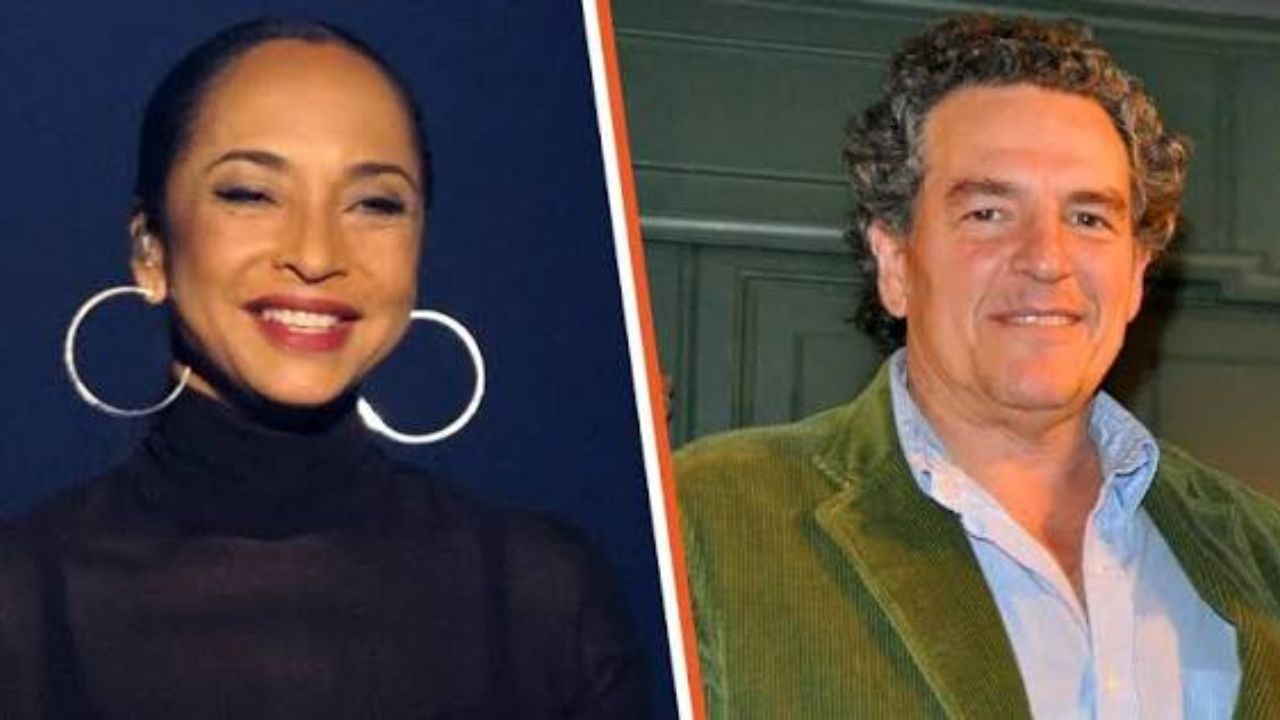

Gail Ernst’s Military Career, Marriage, and Public Life

Public attention can turn a politician’s family member into a recognizable name almost overnight. That happened in Iowa when a long-serving soldier became connected to a rising state official whose career eventually reached the United States Senate. For years, he appeared at campaign events and family ceremonies without seeking an independent political identity.
Gail Ernst is best known as the former husband of Iowa Senator Joni Ernst, but that description tells only part of the story. Public reporting also identifies him as a Sioux City native and former Army Ranger whose life was shaped by military service long before national political coverage focused on the family.
Interest in his background increased sharply after the couple’s divorce records became public in 2019. Those records contained serious and competing allegations, making careful language essential. A responsible profile must separate confirmed biographical facts from statements made during contested proceedings and avoid treating allegations as court findings.
Who Is Gail Ernst?
Gail Ernst is a retired military veteran who became publicly familiar through his marriage to Joni Ernst. Reliable sources describe him as a former U.S. Army Ranger, while Associated Press coverage called him a retired Army Airborne Ranger. Britannica identifies him more generally as an Army officer. Detailed records of every assignment and promotion are not readily available in mainstream sources, so broader claims should be treated cautiously.
He was reported to be from Sioux City, Iowa, and later lived with his family in Red Oak. Before the marriage, he had two daughters. He and Joni later had a daughter together, commonly identified in public coverage as Libby or Elizabeth.
The verified public record can be summarized simply:
- Known for: Military service and his former marriage to Senator Joni Ernst
- Military background: Former or retired Army Ranger
- Iowa connection: Sioux City native who later lived in Red Oak
- Family: Two daughters from an earlier marriage and one daughter with Joni Ernst
- Political role: Campaign spouse, not candidate or officeholder
That final point matters. Although his name appeared in political coverage, he did not build a public career as an elected official. Most attention came from proximity to a prominent politician, which also explains why reliable information about his private life remains limited.
Military Service and Life Before National Attention
Long before campaign buses and Senate ceremonies, military culture appears to have formed the center of his professional identity. The Army Ranger designation is associated with demanding training, discipline, endurance, and leadership. Public reports consistently use that background when describing him, suggesting that service was a defining part of his adult life.
The available record does not support every detail repeated across newer biography websites. Some profiles assign exact service dates, civilian jobs, management positions, or financial estimates without dependable documentation. What can be said with confidence is that he served in the Army, was associated with the Rangers, and had already built a military life by the time he married Joni Culver in 1992.
Their shared connection to service became part of the family’s public image. Joni Ernst joined the Army Reserve after college and later served in the Iowa Army National Guard, including a deployment to Kuwait and Iraq. She retired as a lieutenant colonel after more than two decades. The couple therefore appeared not only as a political family but also as a household shaped by military experience.
That background connected themes of service, sacrifice, rural Iowa, and family responsibility. Yet public photographs show only ceremonies and campaign moments. They cannot reveal the complete reality of a long marriage.
Marriage, Family, and a Shared Public Story
Gail and Joni Ernst married in 1992, the year she completed her undergraduate education. He entered the marriage with two daughters, and the couple later welcomed a daughter of their own. Their marriage lasted about 26 years, spanning military assignments, parenthood, local government, state politics, and national office.
Joni Ernst moved from county government into the Iowa Senate and then won election to the U.S. Senate in 2014. She became the first woman elected to represent Iowa in Congress and the first female combat veteran to serve in the Senate. Gail appeared alongside her at campaign events and ceremonial occasions, generally occupying the familiar role of a supportive political spouse rather than speaking as a policymaker.
The family’s military identity extended to their daughter, who was attending the United States Military Academy at West Point when the divorce was announced. That detail reinforced the family’s connection to service and reminded readers that the breakup involved a wider family that had spent years partly in public view.
Political campaigns often use spouses to make a candidate’s story feel personal. They travel, greet supporters, and help translate a résumé into a family narrative. Gail’s visibility grew through that supporting role, but the public image did not provide a complete account of the marriage behind it.
Campaign Visibility and Growing Scrutiny
During Joni Ernst’s 2014 Senate campaign, Gail became the subject of criticism over remarks posted on social media. News organizations reported that some posts used insulting language about public figures and included comments involving a former partner. The episode showed how a candidate’s relatives can become part of campaign vetting even when they are not seeking office.
His public visibility changed after that. Military service and family life were no longer the only subjects attached to his name; personal opinions and online activity became political material. Even so, it would be inaccurate to label him a political strategist or official. He was a campaign spouse whose actions occasionally generated coverage.
By 2016, Joni Ernst’s national profile had grown enough that Donald Trump considered her while evaluating possible running mates. Later divorce filings connected that period to tensions in the marriage. Joni said she withdrew from consideration because she believed the decision was not right for her family and alleged that her husband resented her success. Those statements reflected her account in contested proceedings, not an independent judicial finding about his motives.
This distinction is essential. Reporting can accurately describe what a filing says while leaving the underlying dispute unresolved. A verified event, such as a vice-presidential interview, is different from a disputed explanation of what happened privately.
Divorce Records, Competing Allegations, and Privacy
The couple publicly confirmed in August 2018 that they were divorcing. Gail had filed, and a spokesperson said the family remained committed to its children while requesting privacy. The case was settled later that year and finalized in January 2019. Associated Press reporting said neither party was required to pay alimony; Joni retained a Washington condominium, while Gail received the Red Oak home.
When filings became publicly accessible under Iowa court procedures, reports revealed bitter accusations from both sides. Joni alleged that Gail had belittled her, had been unfaithful, and had physically assaulted her during an argument years earlier. Gail denied having an affair. CBS and Associated Press reporting noted that the response available in the filings did not address the assault allegation.
Gail accused Joni of an affair with a subordinate during her military service, which she denied. He also argued that he had sacrificed personal ambitions to support the household and her career. These competing claims must remain attributed: divorce filings record what each party alleged, but they do not automatically prove every statement.
The records were largely resealed after attracting attention. Joni said she had expected them to remain private and was surprised by the publicity. DomesticShelters.org later used the episode to discuss a broader concern: people who disclose abuse should have meaningful control over when and how their experiences become public.
For readers, the balanced conclusion is that serious allegations were made, denials were issued, and the marriage ended through a negotiated settlement. No responsible article should transform those claims into criminal convictions or judicial findings without evidence that a court actually reached such conclusions.
There is also little dependable reporting about Gail Ernst’s present employment, finances, relationships, or daily life. Claims about his net worth or current activities should be viewed skeptically unless supported by direct and reputable evidence. A gap in the public record should not be filled with guesswork.
Frequently Asked Questions
Who is Gail Ernst?
He is a former Army Ranger and the former husband of Iowa Senator Joni Ernst. His public profile comes mainly from military service, appearances during her political rise, and coverage of their divorce.
Was Gail Ernst in the military?
Yes. Reputable sources describe him as a former or retired U.S. Army Ranger. Associated Press coverage called him a retired Army Airborne Ranger, while Britannica referred to him as an Army officer.
When did Gail and Joni Ernst marry and divorce?
They married in 1992. Their divorce became public in August 2018 and was finalized in January 2019 after approximately 26 years of marriage.
Do they have children?
They have one daughter together. Gail also has two daughters from a previous marriage, creating a blended family of three daughters.
What happened in the divorce case?
Both parties made serious allegations. Joni alleged abuse and infidelity; Gail denied infidelity and accused her of an affair, which she denied. The case ended in a settlement with no alimony required from either party.
Conclusion:
Gail Ernst’s story sits at the intersection of military service, family life, politics, and unwanted scrutiny. The clearest facts show a former Army Ranger, a long marriage, a blended family, and years spent beside a politician whose career reached the national stage. The divorce brought painful accusations into public view, but those claims must remain clearly attributed rather than treated as settled findings. A fair profile respects both the available record and the boundaries of what the public does not know.