Stracciatella Cheese: The Creamy Italian Favorite Explained

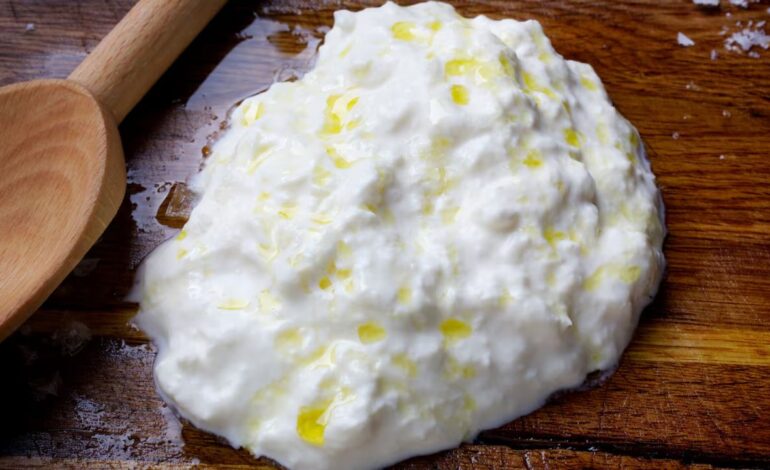
It would seem too simple to be so popular – a spoonful of stracciatella (spaghetti and meatballs is what it translates to) cheese. You’ll love its light, loose, wispy, soft texture, complemented by a rich creaminess and delicate strands of mozzarella. Requires minimal work and can elevate something like toast, tomatoes, pizza, pasta, or roasted vegetables into a restaurant-quality meal.
This creamy specialty is one of the most popular Italian foods in the United States and usually first comes into contact with many Americans when they slice open a ball of burrata. This soft filling that spills everywhere over the plate has its own name, history, and use. Let’s call it a “fresh dairy” product. It is also appearing more and more in specialty markets, Italian delis,s and cheese counters throughout the United States.
The word stracciatella is confusing, ng as it’s also used in Italy for an egg drop soup and a gelato with bits of chocolate, so naturally, you are confused. Although each of these three foodshas a name that is derived from a concept of ‘little particles’, ‘little shreds’, there is no intrinsic relationship between them. Here you will learn about this creamy cheese product, its characteristics, how it is made, some of its close relatives, and the best way to enjoy it.
What Is Stracciatella Cheese
The Stracciatella is a fresh Italian cheese preparation that consists of very thin slices of stretched mozzarella curd and cream. How the cheesemaker tears the curd determines the appearance of the strands, which can be long and ribbon-like or short and feathery. It is not a hard ball of mozzarella, it’s loosely formed, spoonable, and covered in cream.
Its name relates to the Italian verb stracciare, which means to tear or shred. That is precisely the same description: stretched curd is pulled into irregular strips, which are folded into cream. “Stracciatella”, or filling of cream and shredded pasta filata, is the official description of what burrata di Andria is. A cheesemaker takes a thin sheet of mozzarella and stuffs the creamy strands into it to seal the top. The cheese, alone, is less difficult to spread, spoon, and portion, as no shell to cut through.
They are traditionally made using cow’s milk and a commercial variety is also made using it, although versions in buffalo milk are available. An US food product can include conditions like salt, pasteurized milk, pasteurized cream, and enzymes and vinegar as acidic substances. The difference in recipes will mean that shoppers should read the label, and not assume that all containers contain the same amount of the same ingredients, or use the same kind of milk as a source.
The tale starts in Puglia, the region of southern Italy, where such specialty cheeses like “burrata” are made. When making mozzarella, cheesemakers noticed the pieces that remained from the process and used them as string and mixed them with cream.
The technique resulted in the transformation of wasteable curd into a rich, fresh food from the rest. The humble yet luxurious feel of the food tells the tale of how the cheese originated and Puglia’s food industry began at the start of the twentieth century. Although its structure is made from leftovers, it is made lush with cream. It’s a distinctive quality of the regional Italian cuisine; simple ingredients are carefully utilized and eaten fresh, too.
The cheese got connected to Burrata di Andria. The European description of burrata is stretched curd casing filled with cream and tears of filata pasta. It also says that the term ‘stracciatella’ is derived from the manner in which those strips are hand-ripped. Until the filling was readily available on its own, states were the most prevalent source of burrata. That is changing.
Today, American cheesemakers are making packaged varieties; grocery sites and specialty stores are offering them for delivery or pickup. If you are shopping in a store, request burrata with its filling as well as stracciatella. Retailer listings can include alternative spellings, and this means a more general search can result in other products being found that are not immediately obvious.
How It Is Made and What It Tastes Like
Traditional production starts with fresh mozzarella curd. The curd is reheated till soft and drawn into smooth strips, which are then broken into thin strips. They are combined with cream and left to soften. The final consistency will be dependent on the curd-to-cream ratio and the tightness of the strands.
The good batch should be milky white and moist, but not watery. The strands should not turn to paste. The cheese will drop slowly from the spoon when picked up and will be slightly stretchy.
Mild, fresh and dairy forward. The cream adds sweetness and richness and the mozzarella provides sweet, clean milky flavor and a nice light saltiness. It’s not sour, angular, nor aged. The charm is primarily due to its contrast; soft strands within soft cream create a richer taste than mozzarella and more structured than mascarpone.
It is influenced by temperature. After coming from the fridge, the cream may not be as thick, and the taste may not be that strong. A short period of resting enhances the fluidity, but enough resting should be given so that the cheese does not stay at room temperature for long.
Judgement requires heat; it’s not just a matter of theory. It can be used on pizza and pasta, but is generally added after cooking the vegetables or right before the meal. High heat for any extended periods may cause cream separation and loss of the delicate textured cream finish. On pizza, serve as a topping cheese. On pasta, allow the heat of the dish to “work” the pasta into a sauce.
Stracciatella vs Burrata Mozzarella Ricotta and Stracchino
While they may be the same color and taste mild, fresh Italian cheeses act differently. Knowing the difference helps you to make substitutions.
Burrata (Tearn Curd): Burrata is a type of mozzarella with an outer pocket and an inner part of creamy torn curd. The filling is called stracciatella, not the shell. The ‘burrata’ form is a whole cheese with a loose part in the heart for greater presentation, while the loose part can be spread or sliced and layered over some of the other mozzarella varieties. It has a more predictable melting pointand is suited for baked pizza or hot sandwiches. The stracciatella is richer and wetter and thus is best used as a finish.
Depicting ‘ricotta’ is quite different than portraying a curd stretched into long strands; it is a soft body, slightly grainy or fluffy. It can be used in the same way as the creamy to replace the creamy in the toast, pasta, or salad, but it will not be able to copy the same elasticity.
Mozzarella: No mozzarella strands, but it is smooth, rich, and dense. Its smooth texture, good creaminess, and spreadability, however, are not as lightly chewy as stracciatella.
Stracchino: Stracchino, a different soft cow’s milk cheese, is treated to a mild lactic tang, thus differing from the other similar cheesess. If you can’t find shredded mozzarella mixed with cream, you can make up for the lack of mozzarella by buying fresh mozzarella and tearing it into thin strands, while heavy cream can be added. It’s not the same as a cheesemaker’s batch, but it’s the same creamy to curdy texture without the ricotta, executed better.
How to Buy Store Serve and Use It
When purchasing from the store, be sure to find a sealable, refrigerated box that has a clear use-by date and the name of the manufacturer. Cheese should be cold, white, and creamy. Do not accept packages that are bulging, leaking or warm.
Pregnant women, older individuals, persons with immune conditions or those with a higher risk of contracting foodborne illness need to ensure the milk is pasteurized. Follow FDA guidelines and reduce the risk of raw milk being contaminated by harmful germs by storing at 40 degrees or less and putting back in the refrigerator quickly! Use the date and follow the producer’s instructions after opening. Fresh burrata and similar products are often suggested to be used within a day or two of opening.
Use stracciatella cheese as a shorter shelf life food, and consume it soon after. Freezing is NOT recommended as it can cause the smooth cream and tender curd texture to become damaged, as well as creating the possibility of mold, discoloration, or a swollen package. A soft, high-moisture cheese is not a good choice for scraping mold from, since the mold may continue under the surface even if it is unseen. Simplicity is the rule.
Use to top grilled sourdough with black pepper and olive oil. Garnish with ripe tomatoes, basil, peaches, figs, roasted peppers, grilled zucchini, beets, or any bitter green. Serve with prosciutto or mortadella and with acidity or crunch with pickled onions, pistachios, lemon zest, or toasted bread.
Can also be used as a supper meal. Coven tomato pasta, roasted eggplant, risotto, polenta, or soup right before serving. Use it as a part of a sandwich with cured meats and arugula. Scoop onto pizza after it has come out of the oven. Serve with eggs for a brunch. Can make an easy dessert by using honey, jam, berries, or stone fruit.
The cheese is rich and good, and a couple of spoonfuls will go a long way on one plate. Eat it with a low-acid food, a herb, a veggie, or a crisp version instead of being layered under several heavy foods.
Frequently Asked Questions
Is stracciatella cheese the same as burrata?
No. It is the filling of burrata, and burrata has an outer shell of mozzarella as well.
Can stracciatella be melted?
Warm and soften, and high heat can separate cream. Stir it in at the last moment to hot dishes.
Where can it be bought in the United States?
Look at Italian delis, specialty cheese retailers, gourmet supermarkets, big cheese counters s, a nd online fresh food stores.
What is the best substitute?
The most similar homemade option is fresh mozzarella that has been thinly sliced. The ready-made alternative that is easiest is called burrata.
Is it vegetarian?
Not always. Rennet or enzymes from animal sources are used by some cheeses. When vegetarian issues are a concern, refer to the label or contact the producer.
Conclusion
We shouldn’t overlook stracciatella cheese, though, because of its chilling effect inside burrata. Perfect freshness of mozzarella, richness of cream, providing a mild flavor profile, making it ideal for veggies, fruits, bread, pasta, pizza, and cured meats. Purchase it as fresh as possible, store it at the proper temperature, and serve it with an acidic or textured combination. It may not have fancy ingredients, but served strategically with a meal, it can be the best part of any menu.