Mannacote Guide to Stuffed Pasta and Home Cooking

Nothing’s more inviting than a baking dish of pasta, tomato sauce, and melted cheese at dinner time. Stuffed pasta is the comfort of lasagna, only each tube contains a delicious creamy filling. It can be used for a Sunday dinner, a potluck, or a holiday dinner.
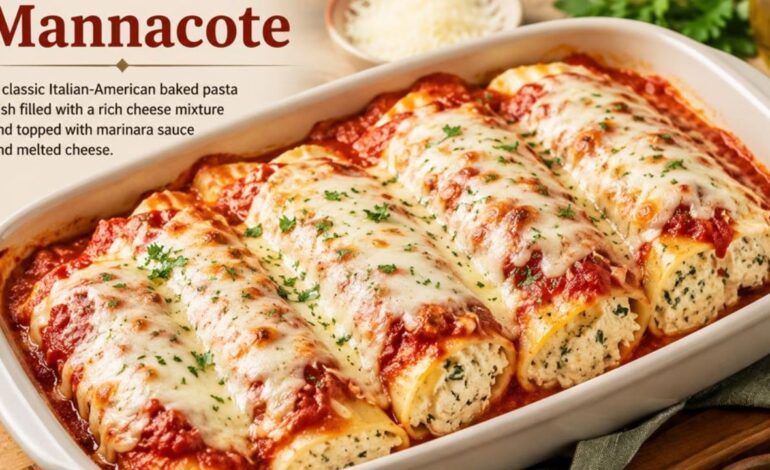
So the other day, someone came across the word “mannacote” and wondered if it was a rare Italian recipe or a form of pasta. Mostly in food applications, it refers to a popular Italian-American dish of manicotti, which are either large pasta tubes or tender crepes stuffed, sauced, and baked.
On the one hand, the spelling might be ‘unusual,’ but the foods are reassuringly familiar. This is the guide that unravels the name, the explanation of its differences with other pastas, and a reliable cooking method. It also includes covers on filling options, common mistakes, make-ahead planning, and even how to reheat leftovers without ruining the soft, saucy consistency.
What Is Mannacote, and Is It the Same as Manicotti
The most precise definition is the informal stylization, or pronunciation, of manicotti. Manicotti is the most common term used in dictionaries, pasta stores, menus in restaurants, and classic recipes. The term is a derivative of an Italian word for sleeves, and the filling is aimed to be in the wide sleeves of a tube.
The reason for this distinction is that there are some online explanations that describe the less familiar spelling as a special coating, powder, or newly invented cooking ingredient. That isn’t a very strong interpretation from a culinary standpoint. Searchers interested in the word are usually interested in baked stuffed pasta, not a starch used to coat pasta shells.
Typically, manicotti in America comes in either of two forms. The convenient type is created from rigid dried pasta tubes that are quickly boiled prior to being loaded. They are prepared with thin crepes (also called crespelle), wrapped around ricotta. They are both put in a casserole and covered with a sauce and baked. Crepe is soft, dried tubes have stronger strength and are readily available.
The dish is very similar to cannelloni, but not necessarily synonymous. Cannelloni is typically fashioned from smooth sheets of fresh pasta wrapped around meat, cheese, or vegetables. Ridge tubes and ricotta filling are more associated with American manicotti. Again, it is not an iron-clad rule, as family recipes can differ.
Why This Stuffed Pasta Tastes So Satisfying
It is popular because of the contrast. Combining pasta with creamy filling and a touch of acidity and savory richness in the tomato sauce. If the nutrition is balanced, with the addition of all of the elements, the casserole is full yet not uncomfortably heavy.
Typically, ricotta is used as a base since its subtle taste blends readily with herbs, Parmesan, spinach, meat, or vegetables. Mozzarella has a smooth melt and does the “cheese pull”. Parmesan is saltier and more substantial. Most often, an egg is added to help secure the stickiness of the filling during baking.
Sauce is more than just flavoring. A bottom layer avoids the pasta sticking, and the sauce above adds liquid to the pasta as it cooks. Thick marinara in particular will coat the tubes, instead of gathering in the bottom of the dish.
The optimal filling at this point is whether it is soft and can be piped and still stay inside the pasta. It should be neither runny nor watery; the shells should have a bit of bite before going into the oven. Those simple rules are more important than fancy ingredients or fancy cooking.
How to Make a Reliable Mannacote Pasta Bake
Use the following for a casserole to yield approximately 5-6 servings:
- 12 manicotti shells
- 15 ounces whole-milk ricotta
- 2 cups shredded mozzarella (divided into half)
- 1/2 cup of finely grated parmesan cheese.
- 1 large egg
- 2 tablespoons chopped parsley
- 1 teaspoon of dried basil/Italian seasoning
- 1 clove of garlic, grated or 1/2 teaspoon garlic powder
- Dry-roasted salt and black pepper.
- 24 ounces of marinara sauce
- Fresh basil or parsley to serve
Preheat oven to 375 F and coat the bottom of a 9-by-13-inch dish with a thin layer of marinara sauce. This is a step that’s easy to overlook, but it is key to preventing sticking and ensuring that the bottom side of the pasta stays moist.
Cook shells following the packet directions, but for just under what’s suggested for fully tender pasta. Should bend easily and not break, but stbe ill tight. Overly soft shells are likely to tear while filling and be mushy at a later time since they continue cooking in the oven. Drain them, set them apart on a lightly-oiled tray, and cool briefly.
Add ricotta, 1 cup mozzarella, Parmesan, egg, parsley, seasoning, garlic, salt, and pepper to a bowl and stir to combine. Gentle stirring to maintain the creaminess of the filling. Before you add the raw egg, taste the seasoning extra or combine a little of each of the cheeses and herbs for tasting.
Put filling into a piping bag or a large, well-sealed plastic zippered bag that has one corner cut off. Put the funnel in at one end of each tube and rotate the tube, filling from the other end. This is simpler than spooning the mixture through and also decreases void spaces. Don’t allow the shells to get so full that they split.
Use one layer of tubes. Spread the remaining sauce over everything that is still uncovered, and then top with the remaining mozzarella. Cover with foil to keep the cheese from drying out. Bake until about 25 minutes, remove lid, and bake until sauce boils and the top begins to bubble and turn golden, about 10-15 minutes additional baking.
Cover and leave the casserole to rest for 10 minutes before serving. This allows the filling time to set and helps each serving to stick together when spooned up from the dish.
Flavor Variations and Common Cooking Mistakes
When cooking spinach and cheese filling, defrost chopped spinach, drain it thoroughly, and mix with ricotta. The same applies to fresh spinach, which can also be wilted, cooled, chopped, and pressed. Stuffed pasta that comes out loose and soupy is often due to too much water for the spinach.
If desired for a meat option, brown Italian sausage, ground beef, or turkey before mixing into the filling or sauce. Let the meat cool, then drain off any surplus fat. Try to refrain from adding steaming meat to ricotta because the ricotta may become thin, and the egg may start to cook too soon.
When filling with vegetables, it works best if they’ve been drained to lose any excess moisture. When using mushrooms, zucchini, eggplant, peppers, or onions, roast or sauté them first. Chop all the ingredients finely into the mixture to pass through the piping bag without ripping the shells.
A white “sauce” option is also acceptable. With a little creativity, other sauces, such as a Béchamel or Alfredo sauce, may be used to make the bake milder and richer, or a spoonful of freshly prepared pesto complements it for freshness. Typically, it works better as an accent sauce, rather than a primary sauce, as the filling can seem overpowered by the concentrated oil and flavours of the pesto.
Most commonly made errors can be easily avoided:
- Cooking pasta too long: The pasta shells will be a bit firm, allowing for even filling and retaining their shape during baking.
- When applying a wet filling: Drain ricotta as needed and rinse vegetables free of moisture.
- Not enough sauce: The pasta edges may be tending toward hard and dry.
- Overfilling tubes – leave enough “headspace” to allow filling to expand when heated.
- Do not open too early: Foil helps to keep moisture in, but the center gets hot.
- Immediately serving: Please do note that a short rest will yield cleaner portions and a better texture.
But you can use tubes that are gluten-free – there is a risk of them softening fast, and you need to follow the instructions carefully on the package. Rolled gluten-free lasagna sheets can also be used! May serve with a plant version, use dairy-free ricotta and melting cheese; it may need adjustments for seasoning and moisture.
Serving Make Ahead and Storage Tips
Complicated side dishes are generally not necessary for this casserole, which is rich. Sharp vinaigrette accompanies a green salad, which helps balance the cheese. Apart from the sauce, roasted broccoli, asparagus, green beans, or zucchini can also lend some color. The traditional accompaniment is garlic bread, although any warm, crusty bread will do.
When serving for parties, make the pasta ahead of time, cover it tightly, and put it in the fridge. When putting the dish in the oven cold, add several minutes to the covered baking time. Can also be set up the night before, as long as the ingredients are refrigerated.
If you need to freeze it, make sure you freeze a freezer-safe sheet and tightly wrap it. Before baking, thaw in the refrigerator for more even results. Single-cooked items can also be frozen for later lunches – ricotta is susceptible to becoming a bit grainy when thawed.
The following day, put cooked leftovers in shallow covered containers in the refrigerator and use the leftovers within 3-4 days. Reheat sauces, sprinkle a drop on top of food, and cover to keep it moist. Reheat leftovers to 165°F. The microwave is good with single servings of the casserole dish as long as it is covered and turned over, and the oven maintains a casserole-like texture stay the same.
Frequently Asked Questions
Is manna cotta a traditional Italian pasta name?
It does not conform to the established spelling. It is normally an informal or phonetic variation of manicotti, an Italian-American stuffed pasta dish, when used in a food search.
Can the pasta be stuffed without boiling it first?
Only use a no-boil procedure where the package instructions or a tested recipe so specifies. Normal dried shells require only partial cooking to be filled without cracking.
What is the easiest way to fill the tubes?
A piping bag or zip-top bag, with a corner cut off. This will fill the tubes up quicker, neatlier and is less likely to leave an empty tube in the middle.
Why does ricotta filling become watery?
Too much egg, hot, cooked vegetables, wet spinach, or undrained ricotta will make it loose. Wipe down any cooked foodto get rid of the extra moisture before adding it to the cheese.
Can the casserole be prepared the night before?
Yes. Put it all together, cover, nd refrigerate it overnight. Keep baking for an extra time covered to make sure the center is heated evenly.
Conclusion
The secret to a stuff pasta bake is that there is no secret! Reliable dishes can be made with firm shells, well-seasoned filling, and ample sauce, and allowed to sit for a while. The special way of spelling it can be a little confusing, but the dish it specifies is warm, familiar, and easy to customize. With this basic technique, once mastered, home cooks can create a quick cheese dinner, a casserole with added vegetables, or a great base for a family gathering.